

Table of Contents
ToggleFire safety isn’t something most homeowners get excited about, until smoke fills a hallway or a detector fails at the worst moment. Traditional fire alarms have served us well, but they come with frustrating limitations: a single beep with no clue where the problem is, false alarms from burnt toast, and constant guessing when something goes wrong. Addressable fire alarm systems offer a smarter approach. They pinpoint exactly which device is triggered, communicate detailed diagnostics, and integrate with modern home automation. While they’ve been standard in commercial buildings for decades, they’re now becoming practical for larger homes, multi-family dwellings, and properties where knowing the source of an alert matters.
Key Takeaways
- An addressable fire alarm system identifies each detection device individually by unique digital address, pinpointing exact locations and providing detailed diagnostics that conventional zone-based systems cannot match.
- Addressable fire alarm systems significantly reduce false alarms through analog sensing, allowing the panel to distinguish cooking smoke from actual fires and adjust sensitivity based on environmental conditions.
- Installation costs for addressable systems typically range from $6,500–$14,000 for a 3,500-square-foot home, representing a premium over conventional systems but delivering precision, lower maintenance, and smart home integration capabilities.
- Homes over 3,000 square feet, multi-family properties, and buildings with complex layouts benefit most from addressable systems, while smaller properties under 2,000 square feet usually suffice with conventional or interconnected smoke alarms.
- Professional installation by licensed fire alarm contractors is essential for addressable fire alarm system compliance with NFPA 72 standards, proper programming, and passing required inspections before occupancy.
What Is an Addressable Fire Alarm System?
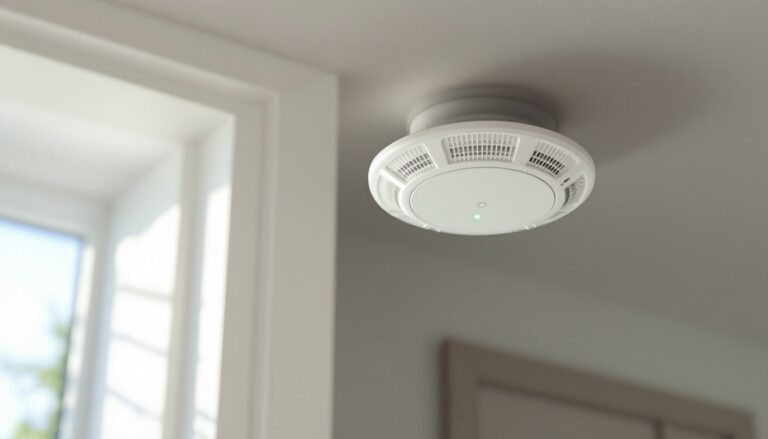
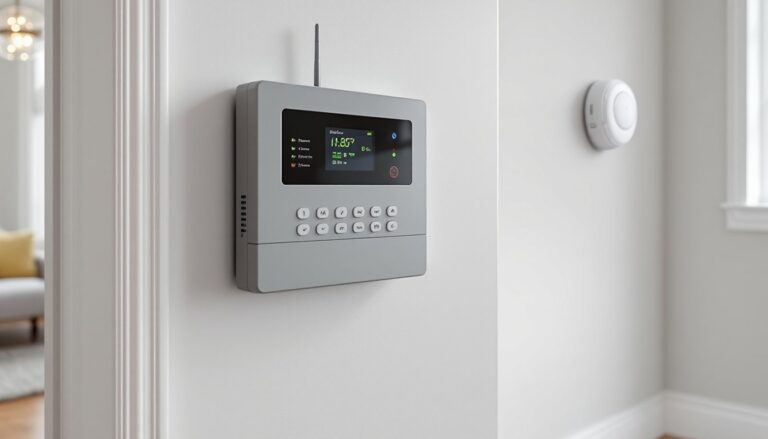
An addressable fire alarm system assigns a unique digital address to each detection device, smoke detectors, heat sensors, pull stations, and notification devices, connected to a central control panel. Unlike conventional systems that group devices into zones, addressable systems identify each component individually.
When a detector senses smoke or heat, it doesn’t just trigger an alarm. It sends a signal to the control panel identifying its exact location by device address. The panel displays this information on a screen or keypad, showing precisely which detector activated and often the severity or type of alert.
These systems use a communication loop, usually a twisted-pair cable running from the panel through each device and back. Each device has a programmable address (typically set via DIP switches or software). The panel continuously polls each device, checking status and receiving analog data about smoke density or temperature.
This two-way communication enables advanced features conventional systems can’t provide: pre-alarm warnings, sensitivity adjustments, device-specific troubleshooting, and integration with building automation systems. For homes with multiple floors, detached structures, or complex layouts, knowing which detector triggered beats wandering around sniffing for smoke.
How Addressable Systems Differ from Conventional Fire Alarms
Conventional fire alarm systems divide a property into zones, each zone typically covering one floor or section. All devices in a zone share a single circuit. When any detector in Zone 2 activates, the panel indicates “Zone 2 alarm,” but you won’t know which specific detector triggered or why.
Addressable systems identify each device individually. Instead of “Zone 2,” the panel displays “2nd Floor Hallway Smoke Detector #23 – Smoke Alert.” This precision matters in larger homes where a zone might cover 1,500 square feet and a dozen rooms.
Wiring differences are significant. Conventional systems require separate circuits for each zone, with end-of-line resistors to monitor circuit integrity. Addressable systems use a single loop, often with Class A (redundant loop) or Class B (single path) wiring under NFPA 72 standards. One twisted-pair cable connects all devices, reducing wire runs but requiring specific cable types rated for fire alarm use.
False alarm management improves dramatically. Addressable detectors report analog values, smoke density percentages or precise temperatures, not just on/off states. The panel can trigger pre-alarms at lower thresholds, alerting occupants before a full evacuation alarm. Some systems let you acknowledge and investigate a pre-alarm before it escalates.
Many modern wired home alarm systems integrate fire detection, but addressable systems provide granular control conventional circuits can’t match. The trade-off? Higher upfront cost and more complex programming, which we’ll address later.
Key Benefits of Installing an Addressable Fire Alarm System
Precise location identification tops the list. In a 3,500-square-foot home with three floors and a basement, knowing “Basement Storage Room Detector” triggered versus “Master Bedroom Detector” changes your response entirely. You can investigate the actual source instead of searching every room in a zone.
Faster troubleshooting saves time and service calls. When a device reports trouble, low sensitivity from dust buildup, communication error, or impending failure, the panel tells you exactly which detector needs attention. No more testing 15 detectors to find the one chirping at 2 a.m.
Reduced false alarms through analog sensing. Detectors continuously report conditions rather than tripping a binary switch. The panel applies algorithms to distinguish cooking smoke from an actual fire, adjusting sensitivity based on environment. Some systems learn normal conditions and alert only when patterns deviate significantly.
Integration capabilities extend beyond fire detection. Addressable panels often interface with HVAC systems to shut down air handlers during fire events (preventing smoke spread), unlock doors for egress, or send alerts to smartphones. Properties with smart home systems appreciate this interoperability.
Lower long-term maintenance costs result from diagnostic capabilities. The panel monitors each device’s health, predicting failures before they happen. Replace a failing detector during scheduled maintenance rather than after it fails inspection. According to HomeAdvisor, proactive maintenance typically costs 30-40% less than emergency service calls.
Scalability matters for growing properties. Adding a new wing or converting an attic? With conventional systems, you might need a new zone circuit back to the panel. Addressable systems often accommodate dozens of additional devices on the existing loop, assuming you haven’t maxed out the panel’s capacity (typically 99-250 devices depending on model).
When to Consider an Addressable System for Your Home
Square footage and complexity are primary factors. Homes over 3,000 square feet or with more than two stories benefit most. If your property includes detached garages, workshops, or guest houses, identifying which structure has the problem becomes critical.
Multi-family properties where several units share common areas should strongly consider addressable systems. Knowing “Unit 3 Kitchen Detector” versus “Hallway Detector” allows targeted response without evacuating the entire building unnecessarily. Some jurisdictions now require addressable systems for buildings with more than a certain number of units, check local fire codes.
Historic or high-value homes where minimizing wire runs matters appreciate the single-loop topology. Addressable wiring often requires fewer penetrations through original plaster or woodwork compared to running separate zone circuits.
Properties with specific fire risks benefit from tailored programming. A home with a woodworking shop, commercial kitchen, or server room can use specialized detectors (thermal, multi-criteria, duct-mounted) each with custom sensitivity thresholds. The system responds appropriately to different fire signatures.
Integration requirements justify the investment when you’re already installing comprehensive automation. If your project includes Google Home alarm integration or whole-house smart systems, an addressable fire panel communicates better with these platforms than conventional systems.
New construction or major renovation represents the ideal installation window. Retrofitting addressable systems into finished spaces costs significantly more due to drywall repair and wire fishing. If studs are already exposed, the marginal cost over conventional systems drops considerably.
For smaller homes under 2,000 square feet with simple layouts, conventional systems or interconnected smoke alarms meeting local building codes usually suffice. The added complexity and cost of addressable systems doesn’t provide proportional benefit.
Installation Requirements and Costs
Permits and codes apply universally. Fire alarm systems fall under NFPA 72 (National Fire Alarm and Signaling Code) and local amendments. Most jurisdictions require permits for installation, inspection before occupancy, and annual or biennial testing. Some areas mandate licensed fire alarm contractors perform the work, check your Authority Having Jurisdiction (AHJ) before planning a DIY install.
Addressable systems are not typical DIY projects. They require programming knowledge, loop impedance testing, and documentation that inspectors will scrutinize. Unless you hold relevant certifications or have professional fire alarm experience, hire a licensed contractor. Poor installation compromises life safety and likely fails inspection.
Material costs vary significantly:
- Control panel: $800-$3,500 depending on capacity (number of addressable points) and features
- Addressable smoke detectors: $45-$120 each (analog sensors cost more than basic detectors)
- Addressable heat detectors: $40-$90 each
- Notification devices (strobes, horns): $35-$150 each
- Pull stations: $85-$150 each
- Wire: 14-gauge or 16-gauge twisted-pair fire alarm cable, about $0.40-$0.80 per foot
- Miscellaneous: junction boxes, end-of-line devices, mounting hardware
A typical 3,500-square-foot home might need:
- 1 control panel with backup battery
- 12 addressable smoke detectors (bedrooms, hallways, common areas)
- 3 addressable heat detectors (kitchen, attic, garage)
- 6 notification devices (horn/strobe combinations)
- 800 feet of cable
Total material cost: $3,500-$6,000. Professional installation adds $3,000-$8,000 depending on complexity and regional labor rates, bringing total project cost to $6,500-$14,000.
For comparison, a conventional zone-based system for the same home typically runs $2,500-$5,000 installed. The addressable premium buys precision and advanced features but isn’t cheap.
Some homeowners explore systems similar to ADT home alarm installations that include fire monitoring, though these typically use conventional rather than addressable fire detection.
Power requirements: Panels need 120V AC with battery backup (typically 12V or 24V sealed lead-acid batteries providing 24-hour standby, 5-minute alarm capacity minimum per NFPA 72). Plan for a dedicated circuit with proper labeling.
Panel location should be accessible but secure, mechanical rooms, utility closets, or garages work well. Avoid damp basements or unconditioned attics. The panel needs clear labeling visible to firefighters responding to an alarm.
Maintenance and Troubleshooting Tips
Regular testing isn’t optional, it’s required. NFPA 72 mandates annual inspection and testing by qualified personnel. Many jurisdictions require documentation for insurance and occupancy permits. Between professional inspections, monthly walk-through tests confirm notification devices function and the panel remains powered.
Battery replacement follows a schedule. Backup batteries typically last 3-5 years. The panel should alert when battery voltage drops, but proactive replacement during annual service prevents surprises. Use batteries matching panel specifications, voltage, amp-hour rating, and physical size all matter.
Detector sensitivity drift happens gradually. Dust, insects, and humidity affect sensor performance. Most addressable systems track and log each detector’s sensitivity over time. When a detector reports increasing baseline levels or reduced sensitivity, it needs cleaning or replacement. Never paint detectors, it ruins sensors.
Common trouble alerts and what they mean:
- Ground fault: Damaged cable insulation or water intrusion. Requires cable tracing and repair.
- Device missing: Detector not responding. Check connections, device power, and address programming.
- Low sensitivity: Detector chamber dirty or failing. Clean following manufacturer instructions (usually compressed air or vacuum, never liquids).
- Verification alarm: Some systems require two detectors in the same area activate before full alarm (reduces false alarms). Verify programming matches intent.
- Supervisory signal: Indicates valve tamper, sprinkler pressure issue, or other monitored condition, not directly related to detection loop.
Cleaning detectors extends life and maintains reliability. Most manufacturers recommend annual cleaning. Remove detector from base (power down the loop first to avoid false alarms), use compressed air or a soft brush on sensor chambers, and inspect for damage. Replace any detector showing corrosion, cracks, or sensor degradation.
Systems integrated with platforms similar to Honeywell home alarm setups may offer remote monitoring and automated maintenance alerts, though this requires professional monitoring services.
Documentation matters. Keep panel programming notes, device location maps, and service records in a binder near the panel. When inspectors arrive or you need service, this information saves time and demonstrates compliance. According to Tom’s Guide, well-documented systems have 50% fewer service call delays.
Firmware updates apply to modern addressable panels with network connectivity. Check manufacturer websites annually for updates addressing bugs or adding features. Some require technician programming tools: others support remote updates.
Conclusion
Addressable fire alarm systems represent a significant step up from conventional detection, offering pinpoint accuracy, advanced diagnostics, and integration capabilities that matter most in larger or complex homes. They’re not for everyone, smaller properties rarely justify the cost, and installation requires professional expertise. But when seconds count and knowing exactly where smoke or heat originates makes the difference, addressable systems deliver information conventional zones can’t provide. Weigh your property size, layout complexity, and budget against the benefits. If precision matters and you’re planning new construction or major renovation, it’s worth the conversation with a licensed fire alarm contractor.