
Table of Contents
ToggleMost homeowners know they need smoke detectors. But when those detectors scream at 3 a.m., what happens next? With a standard alarm, you’re on your own, waking up, checking the house, calling 911 if it’s real. A central station fire alarm system changes that equation. The moment smoke or heat triggers a sensor, a certified monitoring center receives the alert and dispatches help, even if you’re asleep, out of town, or unable to respond. It’s the difference between hoping someone hears your alarm and knowing professionals are already on it.
Key Takeaways
- A central station fire alarm system automatically alerts trained monitoring operators who dispatch emergency services within 90 seconds, even when you’re asleep or away from home.
- Central station fire alarm systems cost $800–$8,000+ upfront depending on system complexity, plus $15–$60 monthly monitoring fees, but often qualify homeowners for 5–15% insurance premium discounts.
- These systems include a fire control panel, wired smoke/heat detectors, a communicator module, and backup batteries that must meet UL and NFPA 72 standards to ensure reliable detection and response.
- Homeowners in rural areas, frequent travelers, and those with high fire risk should prioritize central station monitoring, while budget-conscious homeowners in dense neighborhoods may adequately rely on standalone local alarms.
- Professional installation is recommended for central station systems to ensure proper device placement, correct wiring, and compliance with NFPA 72 codes, which many insurers require to validate monitoring discounts.
What Is a Central Station Fire Alarm System?
A central station fire alarm system is a monitored fire detection network that automatically notifies a remote monitoring facility, called a central station, whenever it detects smoke, heat, or manual alarm activation. Unlike standalone smoke detectors that only sound a local siren, these systems send real-time alerts to trained operators who then contact emergency services on your behalf.
The National Fire Protection Association (NFPA) defines central station service under NFPA 72, the National Fire Alarm and Signaling Code. To qualify, the monitoring facility must be listed by a testing laboratory (UL, FM Approvals, or equivalent), staffed 24/7, and capable of receiving, recording, and acting on alarm signals within strict time windows, typically under 90 seconds.
These systems are common in commercial buildings, but they’re increasingly practical for high-value homes, properties in rural areas with slow emergency response times, or any residence where occupants want guaranteed notification even when away. If you’re already running a wired home alarm system for security, adding fire monitoring often integrates seamlessly into the same panel and monitoring contract.
How Central Station Monitoring Works
When a smoke detector, heat sensor, or manual pull station activates, the fire alarm control panel (FACP) in your home immediately sends a signal to the central station. This transmission happens over dedicated phone lines, cellular radios, IP networks, or a combination (dual-path communication is best for reliability).
At the central station, an operator receives the alarm within seconds. They see your account details, device location, and alarm type on their screen. The operator follows a pre-programmed protocol:
- Verify the signal (not a false alarm due to system fault).
- Attempt contact with you or an emergency contact, if policy allows and time permits.
- Dispatch the fire department immediately, most jurisdictions require this within 90 seconds of alarm receipt, per NFPA 72 guidelines.
- Log the event for compliance and insurance documentation.
Even if you’re unreachable, help is on the way. That’s the core value: automatic, professional response without depending on neighbors hearing a siren or you being home to dial 911. For properties using integrated security and fire panels, like those from Honeywell alarm systems, both intrusion and fire events route through the same monitoring pathway, simplifying management and reducing monthly fees.
Key Components of a Central Station Fire Alarm
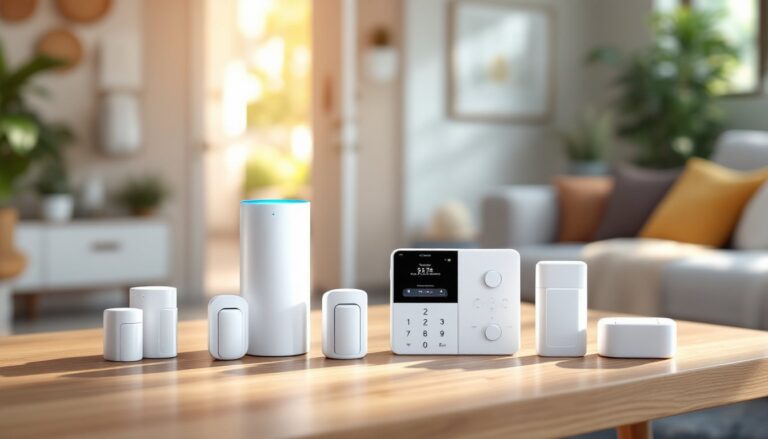
A residential central station setup includes several hardware elements working together:
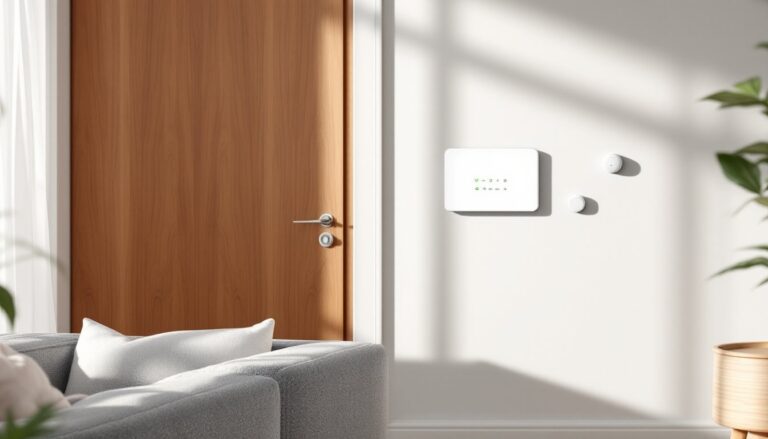
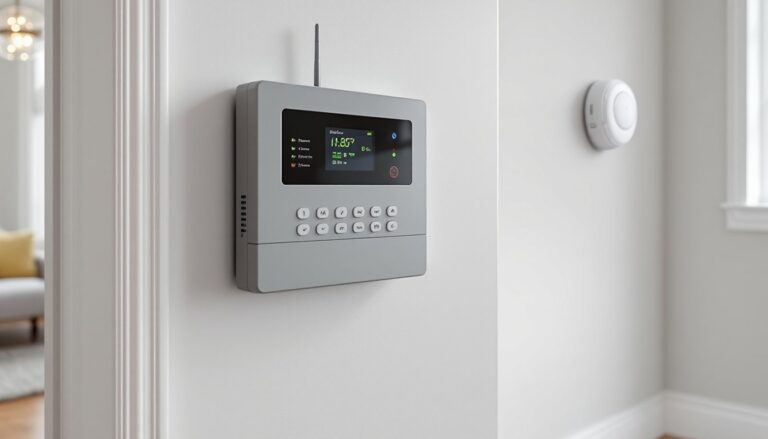
Fire Alarm Control Panel (FACP): The brain of the system. It monitors all connected devices, processes alarm conditions, and communicates with the central station. Panels range from basic four-zone units to addressable systems that pinpoint which specific sensor triggered.
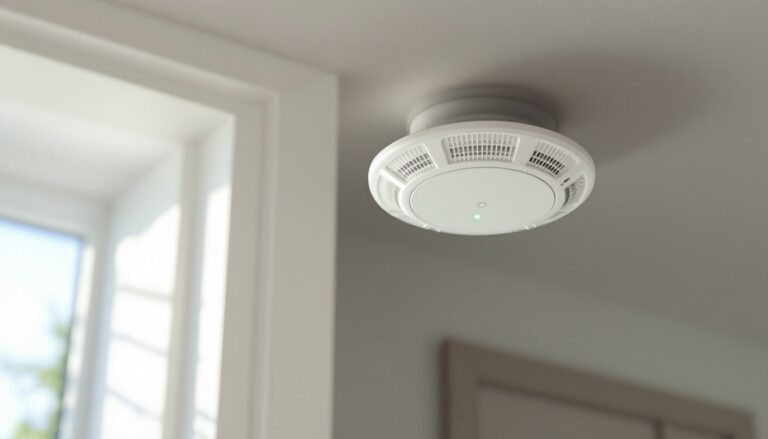
Smoke Detectors (Ionization or Photoelectric): Wired detectors connect back to the FACP. Photoelectric sensors excel at detecting smoldering fires: ionization types respond faster to flaming combustion. Many pros recommend dual-sensor units or a mix throughout the home. Spacing and placement must meet local building codes, typically one per bedroom, one outside sleeping areas, and one per floor minimum.
Heat Detectors: Installed in garages, attics, or kitchens where steam or dust would cause false alarms with smoke detectors. They trigger at a fixed temperature (commonly 135°F or 194°F) or based on rapid temperature rise (rate-of-rise detection).
Manual Pull Stations: Red boxes near exits. Required in commercial occupancies: optional but useful in large homes, especially near garage access or basement workshops.
Notification Appliances: Horns, strobes, or combo units that alert occupants. Residential systems typically need 75 dB at 10 feet in sleeping areas: commercial buildings require higher output and visual strobes for ADA compliance.
Communicator Module: Transmits signals to the central station. Cellular (LTE or 5G) modules are increasingly common, replacing landline dialers. Dual-path communicators use cellular plus IP for redundancy.
Backup Battery: NFPA 72 requires 24 hours of standby power plus four minutes of alarm operation. Most panels use sealed lead-acid or lithium batteries: replace per manufacturer schedule (usually every 3–5 years).
All devices should be UL 268 (smoke detectors) or UL 521 (heat detectors) listed. Panels themselves carry UL 864 or UL 985 listings for household fire alarm units.
Benefits of Central Station Fire Alarm Systems for Homeowners
Faster Emergency Response: The average homeowner takes 2–5 minutes to realize an alarm is real, locate a phone, and dial 911, if they’re home and awake. Central station dispatch happens in under 90 seconds, potentially saving critical minutes when fire doubles in size every minute.
Insurance Discounts: Many insurers offer 5–15% premium reductions for central station–monitored fire alarms. Discounts vary by carrier and state, so request a quote adjustment after installation and provide your monitoring certificate.
24/7 Coverage When You’re Away: Vacation, business travel, or daily commutes leave your home unattended for hours or days. A central fire alarm system ensures someone always receives and acts on alarms, even when the house is empty.
Reduced False Alarm Hassles: Many jurisdictions fine homeowners for repeated false fire department dispatches. Central station operators can sometimes filter out obvious faults (low battery, detector end-of-life warnings) before calling 911, though true alarm conditions are always forwarded.
Documentation for Claims: Monitoring logs provide timestamped records of alarm events, dispatch times, and incident details, valuable evidence if you ever file an insurance claim for fire damage.
Integration with Security Systems: If you already pay for burglar alarm monitoring, adding fire zones often costs just $5–$10 more per month. The control panel, communicator, and central station infrastructure are already in place.
Peace of Mind: Especially for families with young children, elderly relatives, or mobility challenges, knowing trained professionals will respond even if occupants can’t reach a phone is worth the investment.
Central Station vs. Local Fire Alarms: Which Is Right for You?
Local (Standalone) Smoke Alarms are battery- or AC-powered detectors that sound an on-site alarm but don’t notify anyone outside the home. They’re inexpensive (under $50 per detector), code-compliant for most residential occupancies, and require no monthly fees.
Pros:
- Low upfront cost
- No monitoring fees
- Simple DIY installation
- Meets minimum code requirements
Cons:
- Rely entirely on someone hearing the alarm
- Useless if you’re away or sleeping heavily
- No automatic fire department dispatch
- No insurance discount in most cases
Central Station Fire Alarms add professional monitoring, automatic dispatch, and redundant communication paths. They cost more upfront and carry ongoing fees, but they provide active protection rather than passive warning.
Pros:
- Automatic emergency dispatch 24/7
- Faster response times
- Insurance premium discounts
- System supervision (alerts if devices fail or lose power)
- Integration with home security
Cons:
- Higher initial equipment cost ($800–$3,000+)
- Monthly monitoring fees ($20–$60)
- Requires professional installation in most cases
- Possible permit and inspection fees
Who should choose central station monitoring?
- Homeowners in rural areas where neighbors are far apart or fire stations are 15+ minutes away
- Properties with high fire risk (wood-frame construction, workshops, attached garages)
- Families who travel frequently or own second homes
- Anyone seeking maximum life-safety protection and willing to invest in it
Who can stick with local alarms?
- Budget-conscious homeowners in dense neighborhoods with fast fire response
- Renters who can’t modify the building’s systems
- Those confident they’ll hear and respond to alarms promptly
Regardless of choice, all smoke alarms must meet NFPA 72 and local building codes for placement and power source. Most jurisdictions require interconnected alarms (when one sounds, all sound) in new construction or major renovations.
Installation and Monitoring Costs to Expect
Equipment Costs:
- Basic hardwired system (small home, 4–6 zones): $800–$1,500 installed
- Mid-range addressable system (3,000–5,000 sq ft, 10–15 devices): $2,000–$4,000
- High-end wireless or hybrid system (large home, integration with home automation): $4,000–$8,000+
Prices include control panel, detectors, communicator, labor, and initial programming. Costs climb if you need new wiring runs, attic access challenges, or code-mandated upgrades to electrical service.
Monitoring Fees:
- Fire-only monitoring: $15–$30/month
- Combined security + fire monitoring: $30–$60/month (often just $5–$10 more than security-only)
- Cellular backup or dual-path communication: Add $5–$10/month
Most monitoring contracts run 1–3 years. Month-to-month plans exist but cost 20–30% more. Some companies waive equipment costs in exchange for long-term contracts: read the fine print on cancellation fees.
Permits and Inspections:
- Fire alarm permit: $50–$200 (varies by jurisdiction: not all require permits for residential systems)
- Annual inspection (if required): $75–$150
Commercial occupancies and large residential buildings often face stricter inspection schedules. Single-family homes may not need inspections unless local code demands it.
Maintenance:
- Detector replacement: Every 10 years (smoke) or as indicated by end-of-life signals
- Battery replacement: Every 3–5 years for panel backup: annually for wireless devices
- Service calls: $100–$200 for troubleshooting false alarms or component failures
Many monitoring companies include one or two service calls per year in premium plans.
DIY vs. Professional Installation:
If you’re handy and your jurisdiction allows homeowner installation of fire alarm systems (check local codes), you can buy UL-listed panels and devices online and wire them yourself. Expect to spend $400–$1,200 in equipment, plus your time running low-voltage wiring and programming the panel. Reviews on home security technology can help you compare panel features and reliability.
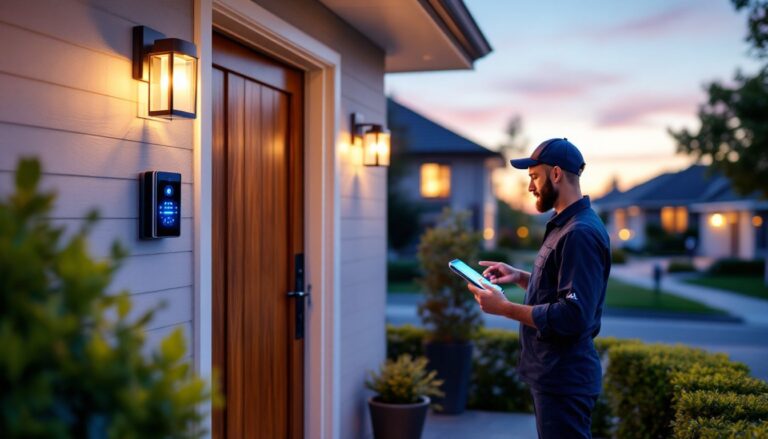
But, professional installation is often worth it for fire systems. Electricians and alarm techs understand device placement per NFPA 72, ensure proper circuit wiring and supervision, and handle central station account setup. Poor DIY installation can result in missed coverage zones, false alarms, or, worst case, failure to detect a real fire.
Most importantly, some insurance carriers and monitoring companies require professional installation to honor discounts or provide monitoring service. Verify before you start drilling holes.
Conclusion
A central station fire alarm system won’t prevent fires, but it dramatically improves your odds of stopping one before it destroys your home or injures your family. For homeowners serious about life safety, especially those with slow local fire response, frequent travel, or high property values, the combination of automatic detection, professional monitoring, and guaranteed dispatch justifies the investment. Evaluate your risk, get quotes from UL-listed monitoring companies, and make sure installation meets NFPA 72 and local codes. Done right, it’s one of the smartest upgrades you can make.