

Table of Contents
ToggleFire alarms don’t just hang on ceilings looking official, they’re lifesaving devices that need regular attention. A working fire alarm can mean the difference between a close call and a tragedy, but too many homeowners assume these systems run themselves. They don’t. Dust buildup, dead batteries, expired sensors, and simple age can all compromise performance. Regular inspections catch these problems before they matter, keeping your household safe and ensuring you meet local fire codes. Whether you have a basic hardwired system or a networked smart alarm, understanding what inspections involve and when they’re needed isn’t optional, it’s essential.
Key Takeaways
- Regular fire alarm system inspections are critical safety measures that prevent three out of five home fire deaths, which occur in properties without working smoke alarms according to the NFPA.
- Fire alarm system inspections should occur annually for basic home systems and semi-annually for hardwired systems with battery backup, with additional testing after any system modifications or real fire events.
- Professional fire alarm system inspections include functional testing of detectors, control panel evaluation, battery backup verification, and visual checks for physical damage, proper placement, and obstruction.
- Common issues discovered during inspections—dead batteries, dust accumulation, expired detectors, and improper placement—are easily fixable and cost far less to address than replacing entire systems.
- Compliance with NFPA 72 standards through documented fire alarm inspections protects homeowners from insurance liability, code violations, and potential fines while extending your system’s lifespan.
- Licensed fire alarm technicians ($75–$200 per inspection) should perform professional inspections, while homeowners can support safety with monthly self-tests and annual battery replacements between professional visits.
Why Regular Fire Alarm Inspections Are Essential
Fire alarm inspections aren’t bureaucratic busywork, they’re a proven safeguard. According to the National Fire Protection Association (NFPA), three out of five home fire deaths occur in properties without working smoke alarms. Batteries die. Sensors accumulate dust and lose sensitivity. Wiring corrodes. Annual or semi-annual inspections catch these failures before they cost lives.
Beyond safety, there’s the compliance angle. Most jurisdictions follow NFPA 72, the National Fire Alarm and Signaling Code, which mandates regular testing and inspection schedules. If you’re a landlord or operate a home-based business, failing to maintain documented inspections can expose you to liability and fines. Homeowner’s insurance policies may also require proof of maintenance, especially for properties with monitored systems.
Regular inspections extend system lifespan, too. Catching a failing control panel or corroded wiring early means a $150 repair instead of a $1,200 replacement. Fire alarm components have finite lifespans, photoelectric smoke detectors should be replaced every 10 years, ionization detectors slightly less. Inspections track component age and flag units nearing end-of-life.
Finally, peace of mind has real value. Knowing your fire alarms were tested last month, not “sometime last year,” lets you sleep easier. And when systems like Honeywell Home Alarm are properly maintained, they deliver reliable early warning when seconds count.
What Happens During a Fire Alarm System Inspection
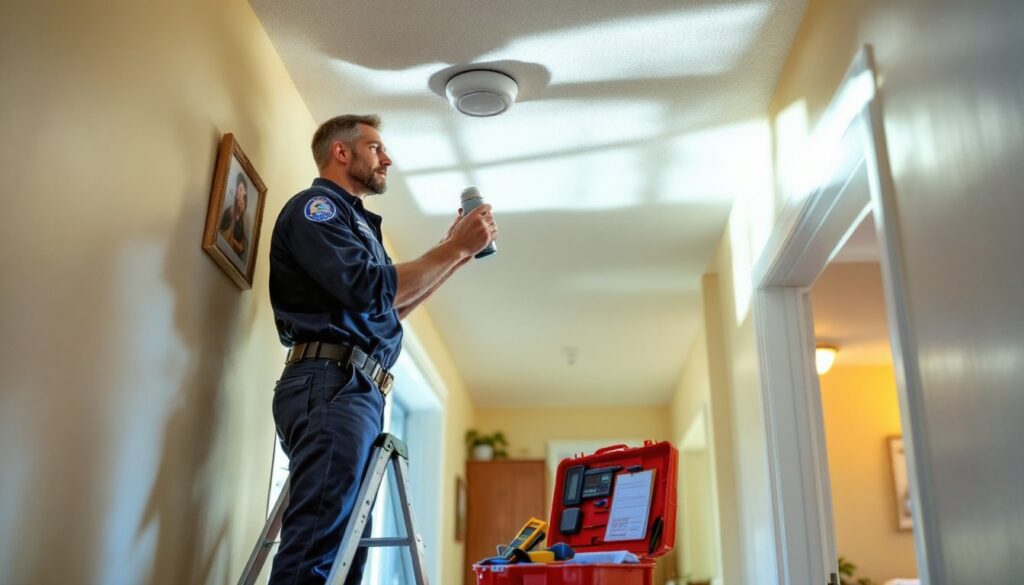
A thorough fire alarm system inspection involves both fire alarm system testing and physical evaluation. Technicians or inspectors follow NFPA 72 protocols, which outline specific procedures for different system types. Expect the process to take 30 minutes to two hours depending on system complexity.
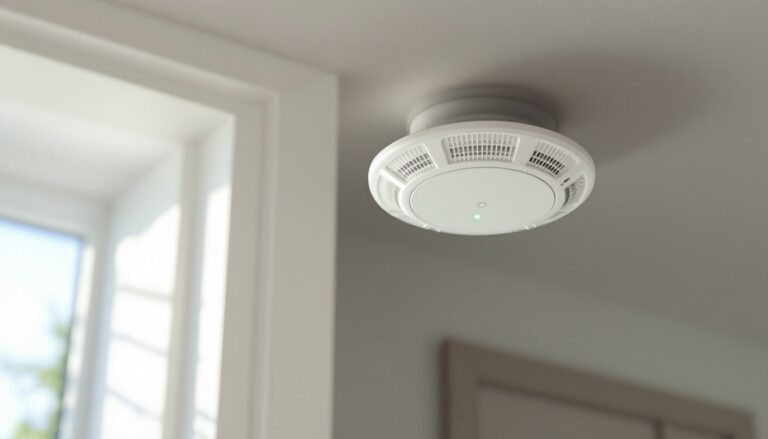
First, the inspector tests each smoke detector and heat detector individually. They use canned aerosol smoke or heat sources to trigger sensors, verifying that the device sounds the alarm and signals the control panel correctly. Every detector should activate within seconds and produce a clear, loud alarm, typically 85 decibels at 10 feet.
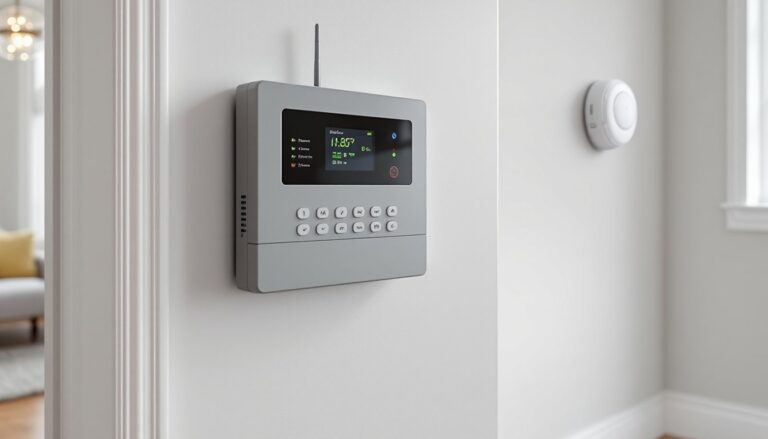
Next comes control panel evaluation. The inspector checks battery backup (usually a sealed lead-acid or lithium backup lasting 24-48 hours), tests the alarm circuit continuity, and confirms that fault indicators work. Many systems log faults internally: inspectors review these logs for recurring issues.
Pull stations, if present, get tested to ensure they trigger alarms immediately. Horn/strobe notification devices are checked for volume and visibility. Strobes must flash at the correct rate (typically 1 Hz) and horns must meet minimum decibel requirements.
For monitored systems connected to a central station, the inspector verifies signal transmission. They’ll trigger an alarm and confirm the monitoring center receives it within seconds. This catches failed phone lines, cellular modules, or IP connections before a real emergency.
Visual and Physical Component Checks
Inspections aren’t just functional tests, they include hands-on examination. The technician looks for:
- Physical damage: cracked housings, loose mounting, exposed wiring
- Environmental issues: detectors installed too close to vents, kitchens, or bathrooms where false alarms are common
- Obstructions: paint overspray, dust buildup, or furniture blocking detectors
- Proper labeling: control panels and circuits should be clearly marked
- Correct detector placement: bedrooms and hallways near sleeping areas require detectors per IRC code
The inspector also verifies interconnection. In modern systems, when one alarm sounds, all alarms should sound. This is critical in multi-story homes where a basement fire might not be audible upstairs otherwise. Wireless systems and models like the Ring Home Alarm make interconnection easier, but they still need verification.
Documentation is the final step. The inspector provides a written report listing every device tested, any deficiencies found, and recommended corrective actions. Keep these reports, they’re proof of compliance and useful for insurance claims.
How Often Should You Schedule Fire Alarm Inspections
Inspection frequency depends on system type, occupancy, and local codes. For single-family homes with basic smoke alarms, monthly self-tests (pushing the test button) and annual professional inspections are the baseline. NFPA 72 recommends this minimum, and many jurisdictions adopt it into local fire codes.
Hardwired systems with battery backup need semi-annual inspections if you want to stay ahead of problems. Batteries should be replaced annually, even if they test fine, a $12 battery is cheaper than a service call. Devices like wired home alarms often run on 9V or AA backup batteries that silently degrade.
Monitored systems and those with heat detectors, pull stations, or notification appliances require annual professional inspections at minimum. Some commercial-grade systems installed in home offices or multi-family dwellings may need quarterly checks. If you rent out part of your home or run a daycare, check with your local fire marshal, stricter schedules often apply.
Quarterly sensitivity testing is recommended for older photoelectric smoke detectors (those over 7 years old). Sensors drift over time, becoming either too sensitive (false alarms) or not sensitive enough (delayed detection). Professional-grade testing equipment measures this drift.
After any system modification, adding detectors, replacing the control panel, or switching from battery-only to hardwired, schedule an inspection within 30 days. According to comprehensive fire inspection guidelines, any change to system architecture resets the testing clock.
Finally, post-event inspections are critical. If your alarms activated during a real fire, cooking incident, or even a false alarm, have the system inspected before relying on it again. Smoke exposure can damage sensors, and electrical surges from firefighting efforts can fry control boards.
Who Can Perform Fire Alarm System Inspections
Not everyone can legally inspect fire alarm systems. For basic smoke alarms in single-family homes, homeowners can perform monthly self-tests, press the test button, confirm the alarm sounds, done. But annual professional inspections require someone with training and, in many areas, licensing.
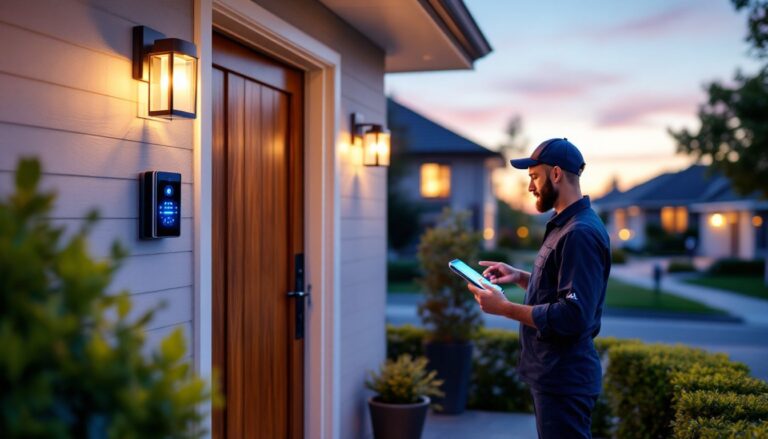
Licensed fire alarm technicians hold state-issued credentials (requirements vary) and understand NFPA 72 protocols, electrical codes, and local ordinances. These pros work for alarm companies, fire protection contractors, or independent inspection firms. Expect to pay $75-$200 for a standard residential inspection, more for complex systems.
Some jurisdictions allow licensed electricians to inspect fire alarms if they’ve completed fire alarm training modules. Check your local fire marshal’s office, rules vary widely. A residential electrician comfortable with low-voltage wiring might handle a simple hardwired smoke alarm system, but networked or addressable systems need specialists.
Fire marshals or local fire departments sometimes offer free or low-cost inspections, especially for seniors or low-income homeowners. Call your local non-emergency fire line and ask. These inspections are basic but catch glaring issues.
For DIY enthusiasts with technical skills, you can perform interim checks between professional inspections. Test every detector monthly, replace batteries annually, and vacuum dust from sensor openings twice a year. But don’t skip the annual pro visit, they have calibrated test equipment and spot problems invisible to homeowners. Systems like ADT Home Alarm often include inspections as part of monitoring contracts, which simplifies scheduling.
Never hire unlicensed handymen for fire alarm work. If something fails and causes injury, your insurance may deny claims if work wasn’t done by a qualified professional. This isn’t finish carpentry, it’s life safety equipment.
Common Issues Found During Inspections and How to Address Them
Inspections routinely uncover fixable problems. The most common? Dead or weak backup batteries. If your system chirps intermittently, that’s the low-battery warning. Swap in fresh batteries, use the manufacturer’s recommended type. Mixing lithium and alkaline batteries in interconnected systems can cause communication failures.
Dust and debris accumulation ranks second. Smoke detectors use optical or ionization sensors that dust clogs over time. A dirty detector might not sense smoke until it’s too thick to escape. Solution: twice-yearly vacuuming using a soft brush attachment. Don’t use compressed air, it blows dust deeper into the sensor chamber.
Expired detectors are shockingly common. Homeowners forget that smoke alarms have manufacture dates printed on the back and lifespans of 8-10 years. Inspectors routinely find 15-year-old detectors still in service. Replace them immediately. Modern detectors cost $10-$40 each, a bargain compared to reduced fire safety.
Improper placement creates false alarms or missed detections. Detectors too close to kitchens alarm during normal cooking. Those near bathrooms trigger from shower steam. Detectors in unheated garages fail in extreme cold. NFPA 72 specifies minimum distances: 20 feet from cooking appliances (measured horizontally), at least 3 feet from bath doors, and in climate-controlled spaces only.
Wiring issues plague older hardwired systems. Loose connections at junction boxes cause intermittent faults. Rodents chew through low-voltage wiring in attics and crawlspaces. Inspectors test continuity and resistance across all wiring runs. Repairs require an electrician, don’t attempt this yourself unless you’re comfortable with residential wiring and local codes.
Monitored systems sometimes fail to communicate with central stations. This happens when homeowners switch internet providers and forget to update the alarm panel’s network settings, or when cellular modules reach end-of-life. Testing confirms signal transmission. Resources like HomeAdvisor can help you find qualified technicians for communication troubleshooting.
Finally, missing interconnection is a code violation in most new construction. If one alarm doesn’t trigger others, they need to be interconnected via hardwiring or wireless RF modules. This typically requires professional installation unless you’re experienced with low-voltage work.
Preparing Your Home for a Fire Alarm Inspection
Preparation makes inspections faster and more thorough. Start by locating all detectors and system components. Make a list: smoke detectors, heat detectors, pull stations (if any), control panel, and notification devices. Inspectors charge by the hour, knowing where everything is saves money.
Clear access to ceiling-mounted detectors. Move furniture, storage boxes, or holiday decorations blocking devices. Inspectors need stepladders or access to reach detectors, and some need to remove cover plates. If detectors are in finished attics or basements, clear pathways and ensure lighting works.
Replace batteries before the inspection if they’re more than a year old. This isn’t required, but fresh batteries mean fewer issues flagged. Keep receipts, knowing when batteries were last changed helps track maintenance intervals. Systems with home alarm battery backups should have those tested under load annually.
Gather documentation: previous inspection reports, installation manuals, warranty information, and system schematics if you have them. Inspectors use this to verify the system matches original specs and track recurring issues.
If you have pets, secure them before the inspection. Alarm testing is loud, 85+ decibels, and stresses animals. Close pets in a quiet room at the opposite end of the house, or arrange for them to be elsewhere during the appointment.
Test your system yourself a day or two beforehand using the test button on each detector. If any fail to sound, note their locations and mention this to the inspector immediately. It’s better to flag known issues upfront than surprise the inspector mid-test.
Finally, be present during the inspection. Inspectors often explain findings on the spot and answer questions about maintenance or upgrades. This is your chance to ask about system age, whether newer technology makes sense, or if additional detectors improve coverage. Inspectors appreciate homeowners who take fire safety seriously and often share tips beyond the formal report.
For additional guidance on home safety preparation, Good Housekeeping offers tested recommendations on safety equipment and maintenance best practices.