

Table of Contents
ToggleEvery 24 seconds, a fire department responds to a fire somewhere in the U.S. When you’re asleep, at work, or on vacation, an undetected fire can escalate from smoldering to catastrophic in minutes. That’s where monitored fire alarm systems come in, they don’t just sound an alarm: they alert a monitoring center that can dispatch help even when no one’s home. For homeowners serious about protecting their property and loved ones, understanding how these systems work, what they cost, and whether they’re worth the investment can make the difference between a close call and a total loss.
Key Takeaways
- A monitored fire alarm system transmits real-time alerts to a professional monitoring center that dispatches emergency services even when you’re away or asleep, providing protection every 24 seconds a fire department responds somewhere in the U.S.
- Professional monitored systems cost $500–$2,000 upfront plus $25–$60 monthly, while hybrid DIY options range from $200–$600 with $15–$35 monthly fees, but insurance discounts of 5–20% often offset the recurring costs.
- Dual-path communication (cellular plus broadband or landline backup) ensures alarm signals reach the monitoring center even if one pathway fails, unlike unmonitored smoke alarms that remain silent to the outside world.
- Homes with young children, elderly residents, frequent travelers, or high-value contents benefit most from monitored fire alarm systems since professional operators verify emergencies and coordinate dispatch within seconds.
- Monthly testing, annual battery replacement, and 10-year detector replacement are essential maintenance requirements that ensure your monitored system functions reliably and meets NFPA 72 compliance standards.
What Is a Monitored Fire Alarm System?
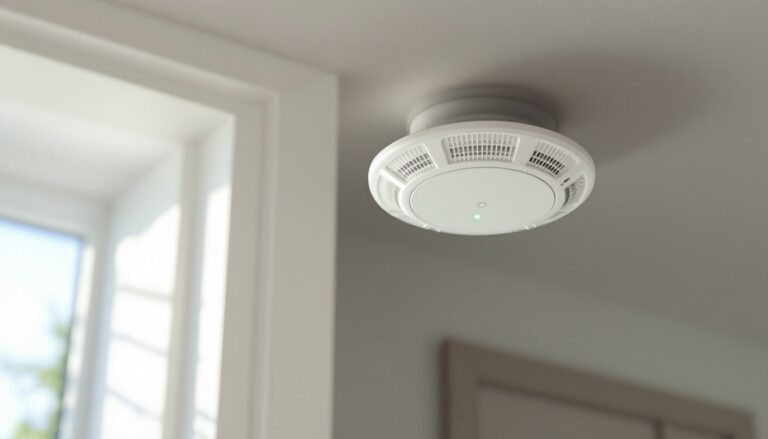
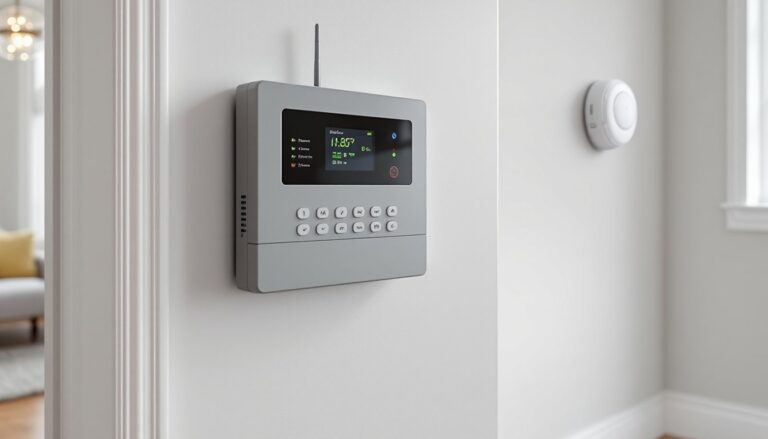
A monitored fire alarm system is a network of smoke detectors, heat sensors, and control panels connected to a professional monitoring service that operates around the clock. Unlike standalone smoke alarms that only sound a local siren, monitored systems transmit alarm signals to a central station staffed by trained operators. When the system detects smoke, rapid temperature rise, or carbon monoxide, it immediately notifies the monitoring center, which then contacts the homeowner and, if no one responds or confirms a false alarm, dispatches the fire department.
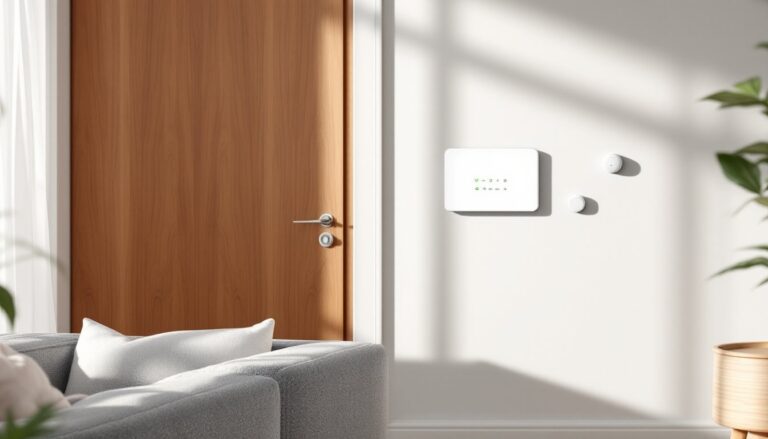
These systems typically include hardwired smoke detectors, heat detectors for areas like garages or attics, and a control panel with cellular or broadband backup communication. Some integrate with broader home security setups, sharing a single monitoring contract and control interface. The key difference from a basic smoke alarm: you’re paying for human verification and emergency response coordination, not just an audible warning.
Most monitored systems comply with NFPA 72 (National Fire Alarm and Signaling Code), which sets standards for installation, testing, and maintenance. Local building codes may require monitored systems in certain occupancies, such as rental properties or homes with in-law suites, so check your jurisdiction’s requirements before choosing equipment.
How Monitored Fire Alarm Systems Work
When a smoke detector senses particulates or a heat sensor registers a sharp temperature spike, it sends a signal to the control panel. The panel immediately transmits that alarm to the monitoring center via cellular network, Wi-Fi, or landline (landline is increasingly rare and less reliable). Modern systems use dual-path communication, cellular primary, broadband backup, so a cut phone line or internet outage won’t silence the alert.
At the monitoring center, an operator receives the alarm within seconds. They’ll attempt to contact the homeowner via phone or app notification, using a pre-set passcode to verify whether it’s a real emergency or a false alarm (burnt toast happens). If the homeowner doesn’t answer or confirms a fire, the operator dispatches the local fire department and may also notify designated emergency contacts.
Some advanced systems integrate with smart home platforms, allowing homeowners to receive push notifications, view live camera feeds, or remotely silence nuisance alarms through an app. Interconnected detectors (required in new construction per IRC R314) ensure that if one unit triggers, all alarms sound, critical for multi-story homes where a basement fire might not wake sleepers upstairs. Monitoring adds the next layer: ensuring someone outside your household knows there’s a problem, even if you’re incapacitated or away.
Safety note: Even monitored systems require monthly testing. Press the test button on each detector and confirm the signal reaches the monitoring center. Replace detector batteries annually and the entire unit every 10 years.
Key Benefits of Professional Fire Alarm Monitoring
Faster emergency response is the headline benefit. Studies show that homes with monitored systems experience shorter fire department response times because the alarm is verified and dispatched automatically, even if occupants are unconscious from smoke inhalation or absent. Every minute counts when fire doubles in size roughly every 60 seconds.
24/7 protection means coverage when you’re not there to hear a siren. Vacation, overnight shifts, or simply being in the backyard with headphones on, monitored systems don’t rely on you being within earshot. This is especially valuable for families with young children, elderly residents, or anyone with mobility challenges who might need extra time to evacuate.
Insurance discounts are another practical perk. Many homeowners insurance carriers offer 5–20% reductions in premiums for homes with professionally monitored fire and security systems. The discount often covers a significant portion of the monthly monitoring fee. Check with your insurer for specific requirements, some mandate UL-listed equipment and proof of active monitoring.
Modern systems also integrate carbon monoxide detection and can alert you to furnace malfunctions, gas leaks, or other silent threats. For homes with smart home security platforms, adding monitored fire alarms creates a unified alert system for intrusion, fire, and environmental hazards, all managed from one app and one monthly service.
Monitored vs. Unmonitored Fire Alarms: Which Is Right for You?
Unmonitored (standalone) smoke alarms are the budget baseline. They cost $15–$50 per unit, require no monthly fees, and meet minimum code requirements for most residential occupancies. They’re fine if you’re always home, have reliable neighbors who’ll hear the siren and call 911, and your property isn’t high-value. But they’re silent to the outside world, if you’re away or asleep through the alarm, no one’s coming until a passerby notices flames.
Monitored systems add a recurring cost, typically $25–$60 per month, but provide professional dispatch, verification, and redundancy. They’re the better choice for:
- Families with children, elderly, or disabled members who need guaranteed response
- Homeowners who travel frequently or work long hours
- Properties in rural areas where neighbors are distant
- Anyone seeking insurance discounts that offset monitoring fees
- Homes with high-value contents or irreplaceable items (documents, heirlooms)
There’s a middle ground: self-monitored smart alarms that send app alerts to your phone. They cost less than professional monitoring (often no monthly fee, or $5–$10/month), but you become the dispatcher. If your phone is dead, you’re in a meeting, or you’re simply unreachable, no help is coming. They work well for tech-savvy homeowners who are always connected and confident they’ll respond quickly.
For properties that require commercial-grade fire alarm systems, like multi-family dwellings or home-based businesses, local codes often mandate professional monitoring and annual inspections by a licensed fire alarm technician. Don’t guess: check with your local building department or fire marshal.
Installation Options and Costs for Homeowners
You have three paths: professional installation, hybrid DIY-plus-monitoring, or fully self-installed systems with optional add-on monitoring.
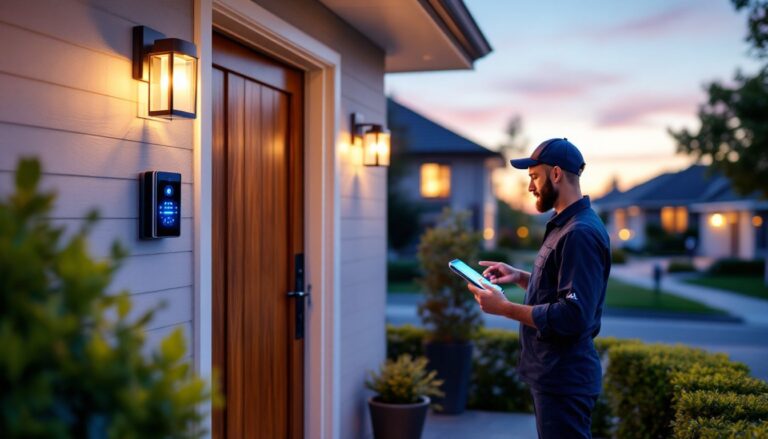
Professional installation through companies like ADT home alarm or local fire alarm contractors typically costs $500–$2,000 upfront, depending on home size, number of zones, and equipment quality. This includes hardwired smoke/heat detectors, a control panel with backup battery, and connection to the monitoring service. Pros handle permit applications, ensure NFPA 72 compliance, and program the system. Monitoring fees run $30–$60/month on a multi-year contract. This route is best if you want zero hassle, need to meet strict code requirements, or have a large home (3,000+ sq ft) where DIY would be tedious.
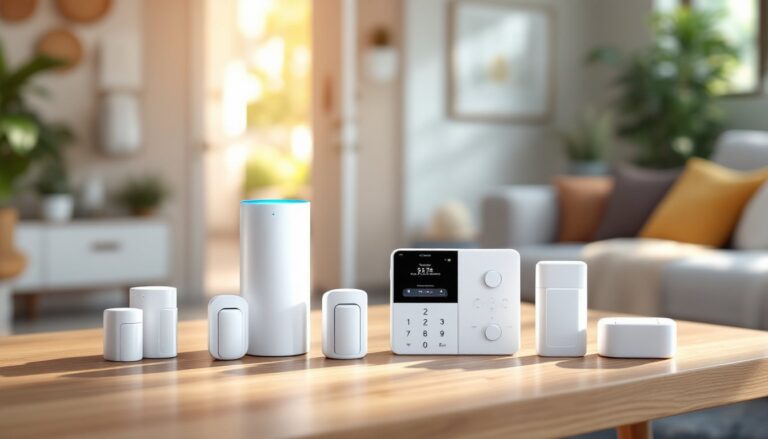
Hybrid systems, like those from SimpliSafe, Ring Alarm, or Honeywell home alarm, cost $200–$600 for equipment (control hub, keypads, wireless smoke/CO detectors) and $15–$35/month for monitoring. Installation is DIY: mount detectors with included screws, pair devices to the hub via app, and activate monitoring. These systems use wireless sensors with 3–5 year batteries, avoiding the need to fish wires through walls. They’re code-compliant for most single-family homes and integrate with smart locks, cameras, and voice assistants. Trade-off: you’re responsible for placement, testing, and battery replacement.
Fully DIY with optional monitoring means buying standalone smart smoke detectors (Nest Protect, First Alert Onelink) for $100–$130 each, installing them per IRC spacing requirements (one per bedroom, one per level, one near sleeping areas), and using the manufacturer’s app for self-monitoring. Some brands offer add-on professional monitoring for $5–$10/month. This is the cheapest ongoing cost but requires you to be the first responder.
Safety and code notes: Most jurisdictions require smoke alarms within 10 feet of bedroom doors and on every level, including basements. Hardwired detectors with battery backup are required in new construction and often in major remodels. If you’re replacing a hardwired system, match the wiring, most use 14/3 or 12/3 Romex with interconnect and power conductors. Turn off the circuit breaker before touching any wires. If you’re uncomfortable working with 120V AC, hire a licensed electrician.
For homes with wired alarm systems already in place, upgrading to monitored fire is often as simple as adding compatible smoke detectors to existing zones and updating the monitoring contract.
Choosing the Best Monitored Fire Alarm System for Your Home
Start by assessing your home’s layout and your household’s needs. Square footage, number of levels, and occupancy type (single-family, duplex, accessory dwelling unit) dictate how many detectors you’ll need and whether commercial-grade equipment is required. Check local code, some jurisdictions mandate monitored systems for rentals or homes with separate living spaces.
Look for systems with dual-path communication (cellular + broadband or cellular + landline) to ensure alerts get through even if one pathway fails. Brands that offer smart smoke detectors with app integration let you silence false alarms remotely and receive instant notifications, which is handy but not a substitute for professional monitoring.
UL-listed equipment and NFPA 72 compliance are non-negotiable if you want insurance discounts or need to satisfy code. Verify that the monitoring center is UL-certified and operates 24/7 with redundant communication lines. Ask about backup power, both for the control panel (should have 24-hour battery backup minimum) and for the monitoring center itself.
Consider integration with broader home security. If you already have or plan to add intrusion detection, cameras, or environmental sensors (water, freeze, CO), a unified platform like those offered by Honeywell alarm systems or ADT simplifies management and may reduce total monitoring costs compared to separate contracts.
Contract terms vary widely. Some providers require 3–5 year commitments with hefty early-termination fees: others offer month-to-month with higher monthly rates. Read the fine print on equipment ownership, some companies lease hardware and take it back if you cancel, while others let you keep it. For DIY systems, you typically own the equipment outright.
Finally, evaluate customer support and local service availability. A system is only as good as the response it gets. Check reviews on tech sites for real-world experiences with customer service, false alarm handling, and dispatch accuracy. If you live in a remote area, confirm the monitoring center has up-to-date contact info for your local fire department and understands any access challenges (gated roads, long driveways).
Conclusion
Monitored fire alarm systems aren’t just an upgrade, they’re a commitment to round-the-clock protection that doesn’t depend on you being awake, home, or reachable. Whether you go with professional installation or a DIY hybrid, the key is choosing equipment that meets code, integrates with your home’s infrastructure, and connects to a reliable monitoring service. Test monthly, replace batteries annually, and keep emergency contact lists current. Fire doesn’t wait for convenience, and neither should your protection.